

.svg)

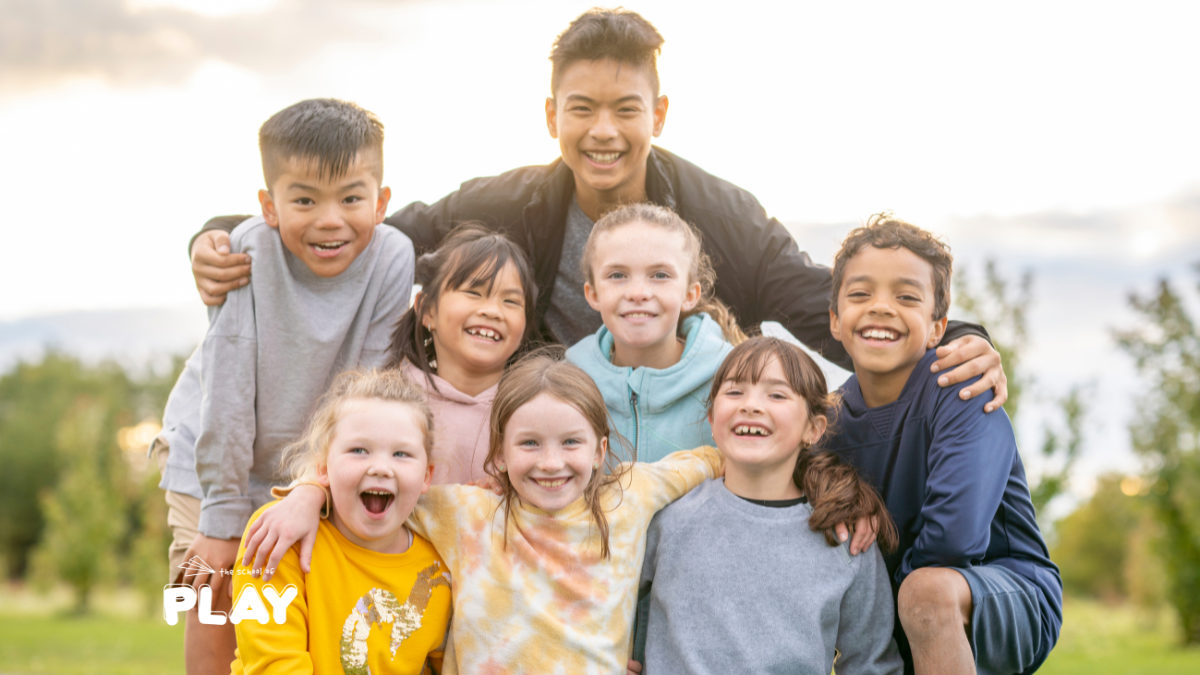
"Where do I fit?" is a question every young person asks. While adults focus on behaviour and achievement, many students are trying to work out who they are and where they belong.
The challenge is that identity feels like something students are supposed to have already figured out. When they don't, uncertainty becomes a tendency to simply follow the crowd.
What helps isn't giving students the answers.
It's giving them opportunities to explore.
Play creates those opportunities naturally. It allows students to try new roles, test different strengths, express different parts of themselves, and discover interests they may never have uncovered in a more structured environment.
In one study, when middle school students were given opportunities to explore alternate identities in a virtual world, they demonstrated greater confidence, empathy, and cultural understanding through the process.
There's no final exam for identity. There is only exploration and growth.
This week, we're tackling identity play and how it helps students to become the best version of themselves, one who is willing to participate in the world around them. Let's begin!
The Next Generation Leadership Experience Has a New Date
If identity develops through exploration, then leadership does too. One of the biggest mistakes we make with young leaders is expecting them to have leadership figured out before they've had enough opportunities to experience it.
The Next Generation Leadership Experience, now happening on Wednesday, 29 July 2026, is designed for student leaders, emerging leaders, and school leadership teams who need the opportunity to build confidence, strengthen communication, deepen connections, and explore leadership through immersive experience alongside peers from other schools.
Rather than simply talking about leadership, students will actively experience it through engaging challenges, reflection, collaboration, and play-based activities that bring leadership skills to life.
Bring your student leaders and join us for a morning of connection and fun, practical leadership learning. Click here to register!
%20UNTIL%20July%2029.png)
Brain Breaks for Students with ADHD: What Actually Works (And What Backfires)
Not every student explores who they are through words. Some discover their strengths through action or moments when their brain is finally working with them instead of against them.
For many students with ADHD, the challenge isn't capability—it's maintaining focus long enough to show their true potential.
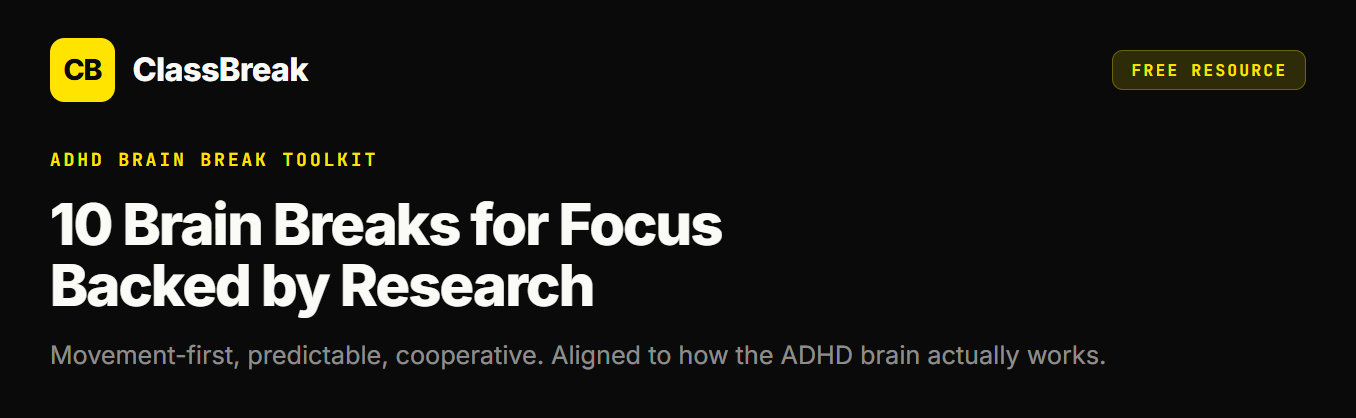
Inside "Brain Breaks for Students with ADHD: What Actually Works (And What Backfires)", you'll learn why certain types of movement allow students to regulate attention, which activities are backed by research, and the popular brain break formats that may be doing more harm than good.
You'll receive an ADHD Brain Break Toolkit + 10 ready-to-use brain break cards that support focus, regulation, and engagement throughout the school day.
Download the free PDF and guide your students to thrive by understanding how they learn best!
One Platform, Every Stage of Growing Up
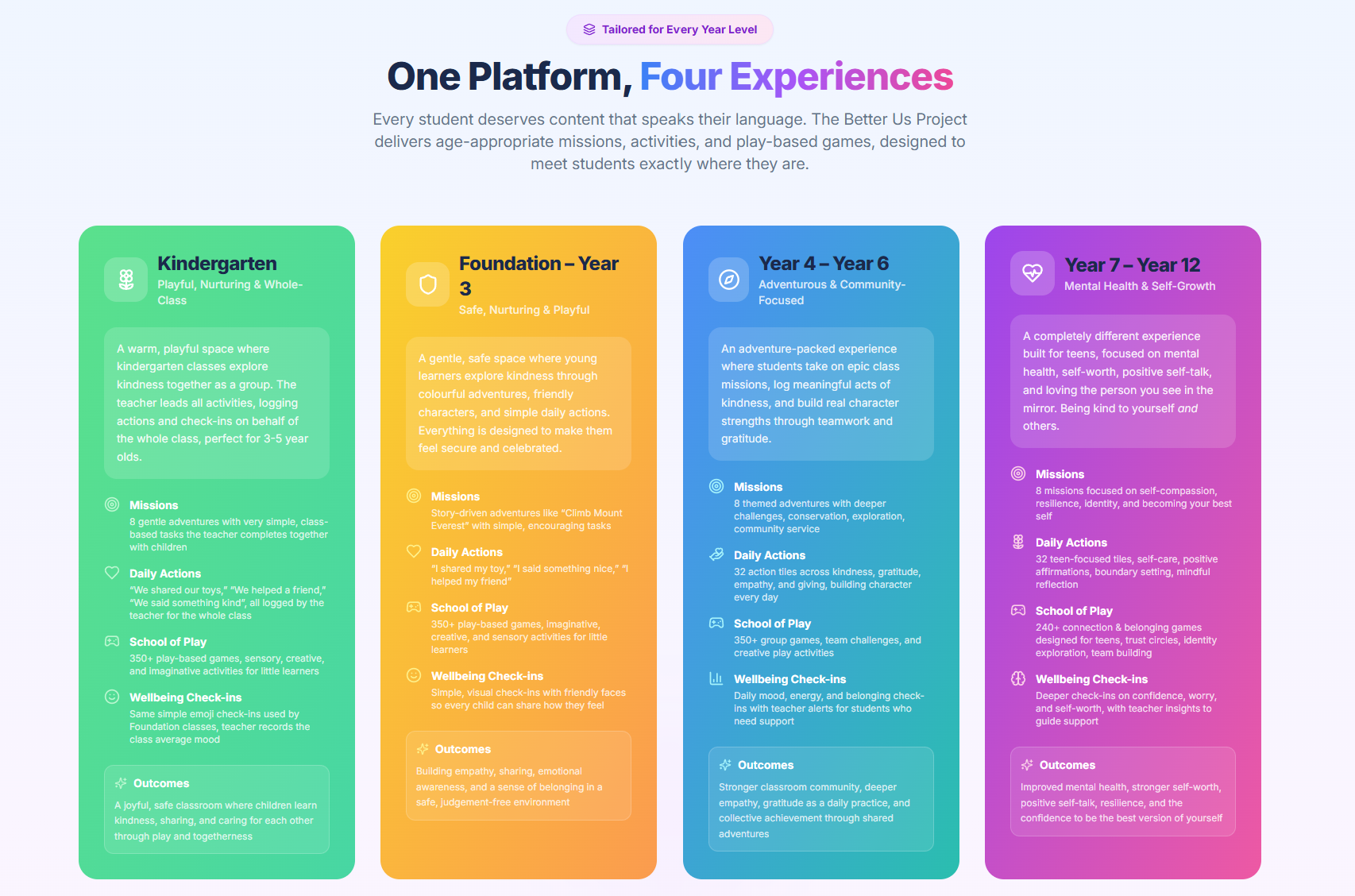
If you spend most of your days in school, you know immediately that a five-year-old trying to understand sharing, a Year 6 student figuring out friendship dynamics, and a teenager working through questions of identity are all “students,” but they’re not in the same developmental world.
The mistake most systems make is treating well-being and engagement as if they scale evenly across ages.
The Better Us Project was developed around that reality. Instead of forcing every student into the same pathway, it creates four distinct experiences that sit inside one simple system.
For younger children, it’s shared play, stories, and guided kindness. In primary years, it becomes a community-building mission, teamwork, and gratitude in action. By secondary school, it shifts into identity, mental well-being, and internal tools students need to navigate who they are becoming.
Same platform. Completely different experience depending on the student.
So whether a student needs structure or space to explore identity, they’re met where they actually are.
Start your free trial today! Get set up in minutes and see how The Better Us Project adapts to every stage of school life.
Well-being Skittles: Kindness Game
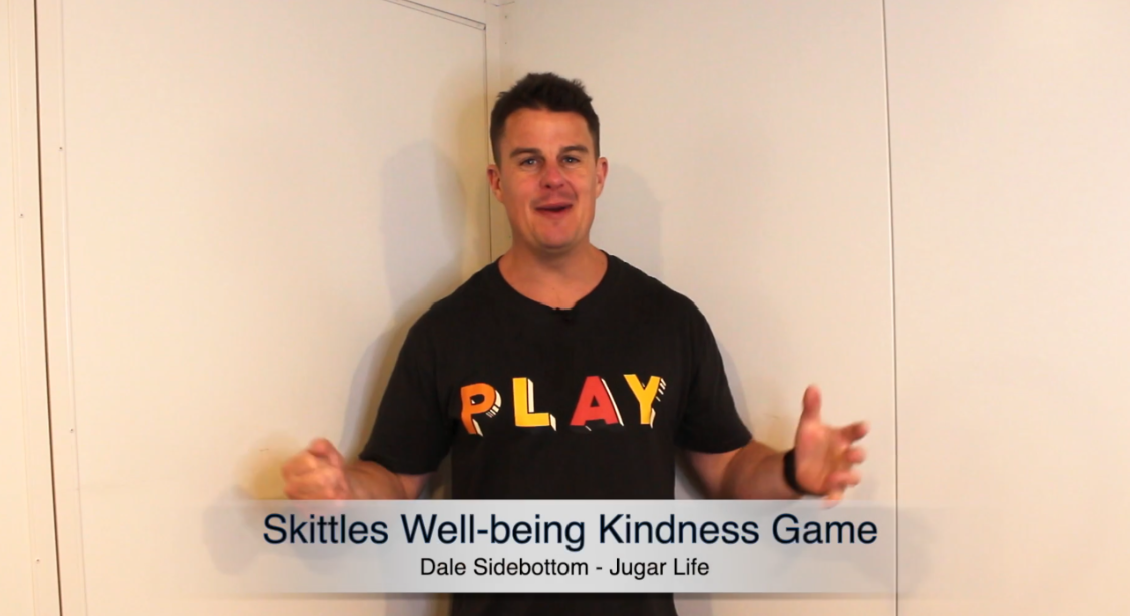
In most classrooms, students are told to “be kind,” yet they’re rarely given moments to reflect on what kindness actually looks like in real situations. That gap matters. Because without reflection, kindness becomes an idea rather than a habit.
Well-being Skittles bring kindness back into focus and use colour as a trigger for short stories about selfless service in action.
How to play:
Give each player a small handful of Skittles (or coloured tokens). Players take turns picking one colour at a time and responding to the matching prompt:
- Red – a moment someone’s kindness made you feel valued
- Orange – a time you helped someone and how it felt
- Yellow – a kind act you saw that changed someone’s day
And more.
After sharing, the player can eat the Skittle or place the token aside. Continue until all colours have been used!
There’s no scoring, no winning, just short moments of reflection that build student awareness that kindness isn’t rare. It’s already happening more than they think.
If you want more games like this embedded in your classroom’s learning, explore The School of Play, where play-based experiences nurture empathy and emotional literacy throughout the school year.
Alexandra Smith and Oliver Brown – Our young people do not need to be ‘Fixed’ – Our Journey towards Student Agency
Student well-being has always been framed as something adults “fix” for young people. A problem to solve, a gap to close, a system to manage. But that approach removes the very thing students need most: ownership.
When students are always positioned as recipients of support, they start to believe they are not capable of understanding or shaping their own well-being. This limits agency and independence.
In this course, Alexandra and Oliver share a different direction in well-being practice—moving away from protection alone and towards student agency. Instead of focusing on well-being for students, it asks what happens when we start building well-being with them.
It’s a grounded look at the transition from guided learning to self-directed well-being and what schools can do to help students step into that space with confidence.
Unlock Connection CRAZE and hundreds more practical courses inside ClassBreak, where professional learning, play-based strategies, and ready-to-use classroom tools are built for the real pace of teaching.
From Four Sessions to One Shared Culture Shift
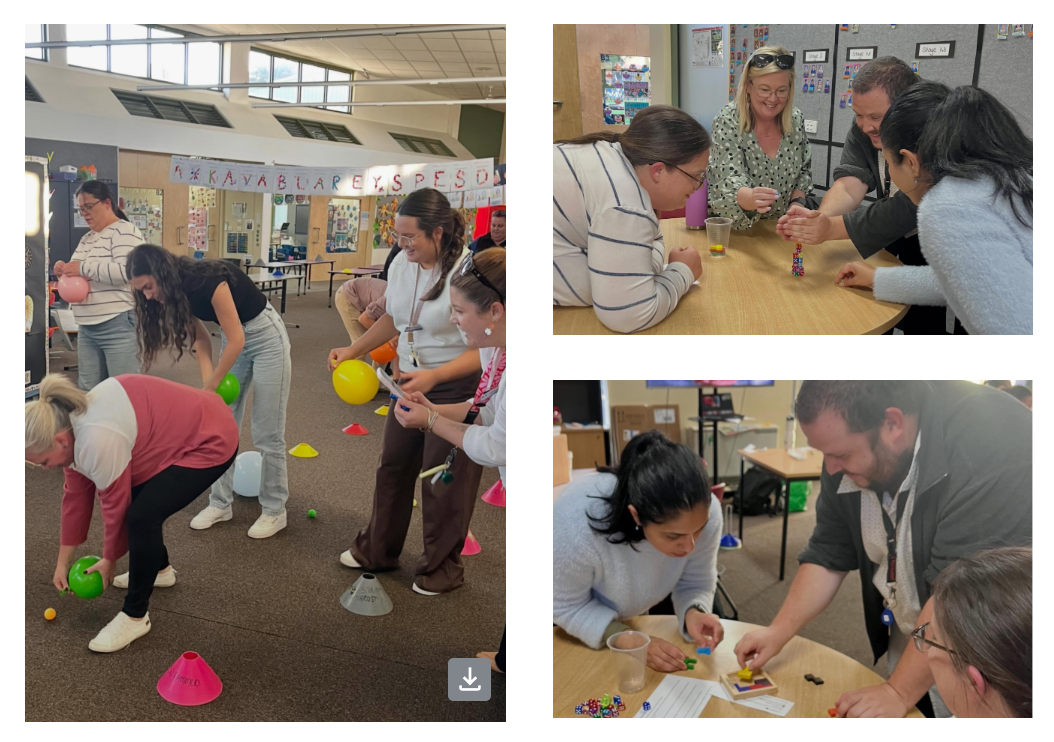
A brilliant way to close out a four-part journey with the Cranbourne Primary School team. Across the series, staff came together each week to focus on connection, trust, and strengthening the way they work together as a community.
What stood out most was the willingness of the team to lean into the process. Not just to participate, but to genuinely engage with the ideas around culture, collaboration, and psychological safety, and what it looks like in day-to-day practice.
The final session brought a transformation with a high-energy team challenge. Laughter, competition, and teamwork filled the room as groups worked through clues and challenges together. A fitting end to a series built around one simple idea: stronger connections create stronger schools.
Big thanks to the Cranbourne Primary School leadership team for the opportunity and trust throughout the journey.
Join us on this global journey of joy and connection! If you want to bring The School of Play to your community, fill out the form here ➡


.avif)


