
.png)

.svg)

Teen life looks full from the outside, but it can also feel relentlessly demanding for young people.
School and social dynamics pressure builds. Family expectations grow. Screens often become the default recovery tool, even though scrolling numbs stress more than it relieves it. And when stress has nowhere healthy to go, it shows up somewhere else as irritability, shutdown, avoidance, or emotional overload.
This is one reason play matters so much during adolescence. Not because teens need to “act like kids,” but because they need safe, low-pressure ways to release tension and regain a sense of control.
Play gives teens movement for stress, creativity for expression, social connection for belonging, and choice when life feels overwhelming. It helps shift the brain out of constant pressure and back into a state where regulation is possible and stress narrows, while life reopens.
This week, we’re exploring how intentional play helps teens build the stability they need to handle school, relationships, and life with greater confidence. Let’s get into it!
Free Resource: Early Finishers Are Your Biggest Classroom Problem (Here's the Fix)
An early finisher with no clear next step changes the energy of your whole classroom fast.
The “Early Finishers Are Your Biggest Classroom Problem (Here’s the Fix)” gives you a smarter system for that challenge. Instead of scrambling in the moment, this resource helps you build a clear “When I’m done…” protocol that keeps students engaged, thinking, and learning.
Inside, you’ll get a ready-to-use printable PDF featuring:
- 20 high-quality early finisher activities
- Deep thinking, creative, movement, reflection, and collaborative options
- A classroom poster for instant implementation
- Individual activity cards you can print, laminate, and reuse
From “The Five Whys” and “30-Word Summary” to movement games, memory challenges, and real-world reflection tasks, these activities extend learning and strengthen independence.
If you’ve ever found yourself answering “What do I do now?” ten times a week, this resource is for you.
Download the free PDF resource and start turning early finishers into one of the most productive parts of your classroom!

Play That Grows With Students, Stress Support That Grows
Stress doesn’t look the same at every age, and neither should the way we support students through it.
A five-year-old learning to share, a Year 5 student navigating friendships, and a teenager managing academic pressure, identity, and emotional overwhelm all need different tools.
Rather than offering a single generic well-being model, The Better Us Project adapts play, regulation, and emotional support to match each stage of development.
It recognises that there is no one-size-fits-all solution, so it gives schools one platform with tailored experiences that meet students where they are, while helping them develop the resilience to handle where life is going.
Learn more about how The Better Us Project helps every year level play and grow better.

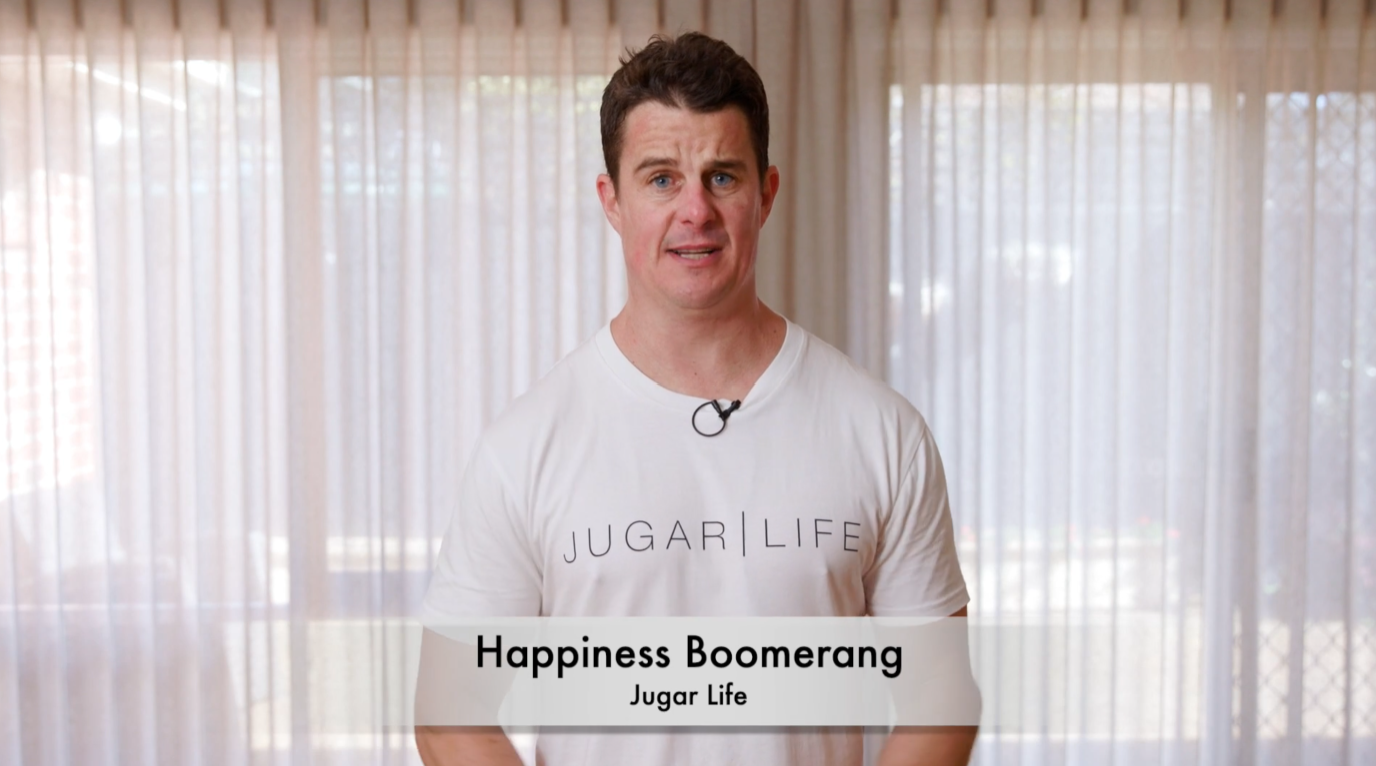
The Happiness Boomerang
Teens carry a lot without always feeling connected enough to talk about it. The most effective way to reduce their weight can sometimes start with something surprisingly simple, such as genuine words.
The Happiness Boomerang is a powerful 10-day challenge built around PAL: Proud, Admire, Love (or Respect).
How to play:
Each day, students choose one different person and send them a thoughtful message sharing why they are proud of them, admire them, and appreciate them. It could be a friend, family member, teacher, teammate, or someone they haven't spoken to in a while.
It can start with: “Please don’t feel like you need to reply, but there are a few things I wanted to say to you…”
From there, share why they matter.
It may feel vulnerable at first, but that’s part of the growth. Play isn’t always loud. Sometimes it looks like strengthening relationships and reducing feelings of isolation.
If you want more games like this embedded in your classroom’s learning, explore The School of Play, where play-based experiences nurture empathy, teamwork, and emotional literacy throughout the school year.
Connection Before Content
When teens are stressed, learning becomes harder before it even begins.
Connection CRAZE with Mark Friedrich is all about practical, energising strategies that help students feel safe, seen, and engaged before diving into content. When belonging increases, stress decreases, participation rises, and classrooms become far more resilient.
With 27 years in education and a deep background in adventure education and team-building, Mark shares proven SEL-based activities that create meaningful connections across classrooms, teams, and school communities.
You’ll explore strategies that build stronger student relationships, increase engagement, and create energised learning spaces where students are more ready to participate.
Unlock Connection CRAZE and hundreds more practical courses inside ClassBreak, where professional learning, play-based strategies, and ready-to-use classroom tools are built for the real pace of teaching.
A Big Moment for Better Us
After three years of building, refining, and believing deeply in what schools truly need, seeing The Better Us Project featured in today’s Herald Sun feels incredibly special.
From day one, the goal has been to help schools move from reacting to well-being challenges after they escalate, to noticing earlier, responding sooner, and creating stronger support systems before students slip through the cracks.
Already, schools are sharing that they’re hearing from students who may never have spoken up otherwise and shifting well-being from something reactive to something proactive.
We’re proud of how far this has come, and even more excited for what’s ahead.
You can read the full article here ➡


.avif)


